DU3- Underground heritage and European tourist caves.
DU3- Underground heritage and European tourist caves.
8 From F to I terms
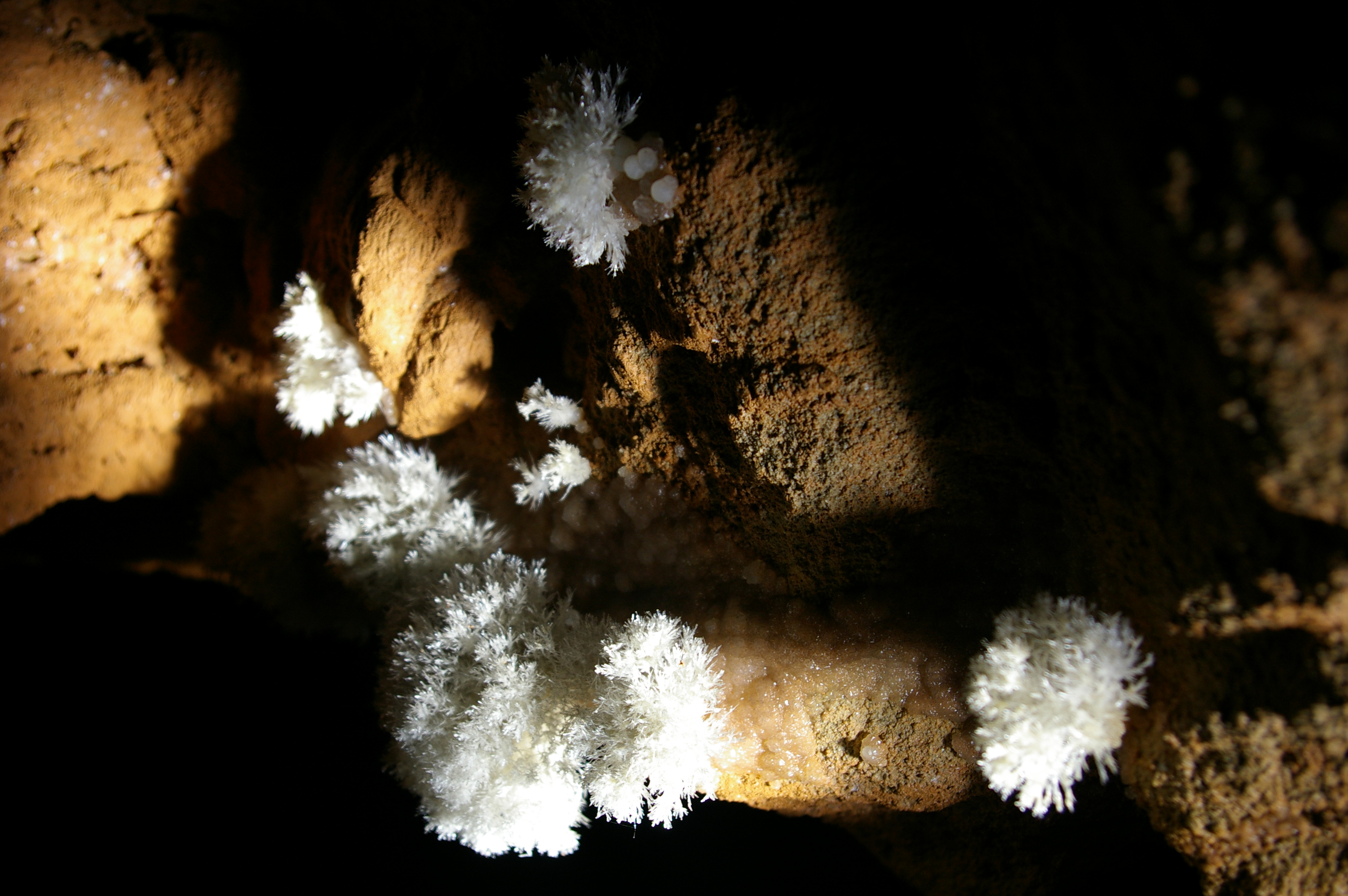
- Fibrous formations
- Acicular morphologies arranged from central point which have a length between 1 mm and 5 cm. Pompon groups.
- Flowstone
- Calcium carbonate deposits with mantle morphology due to layer superposition along a large surface. They are formed in zones where water is rich in minerals.

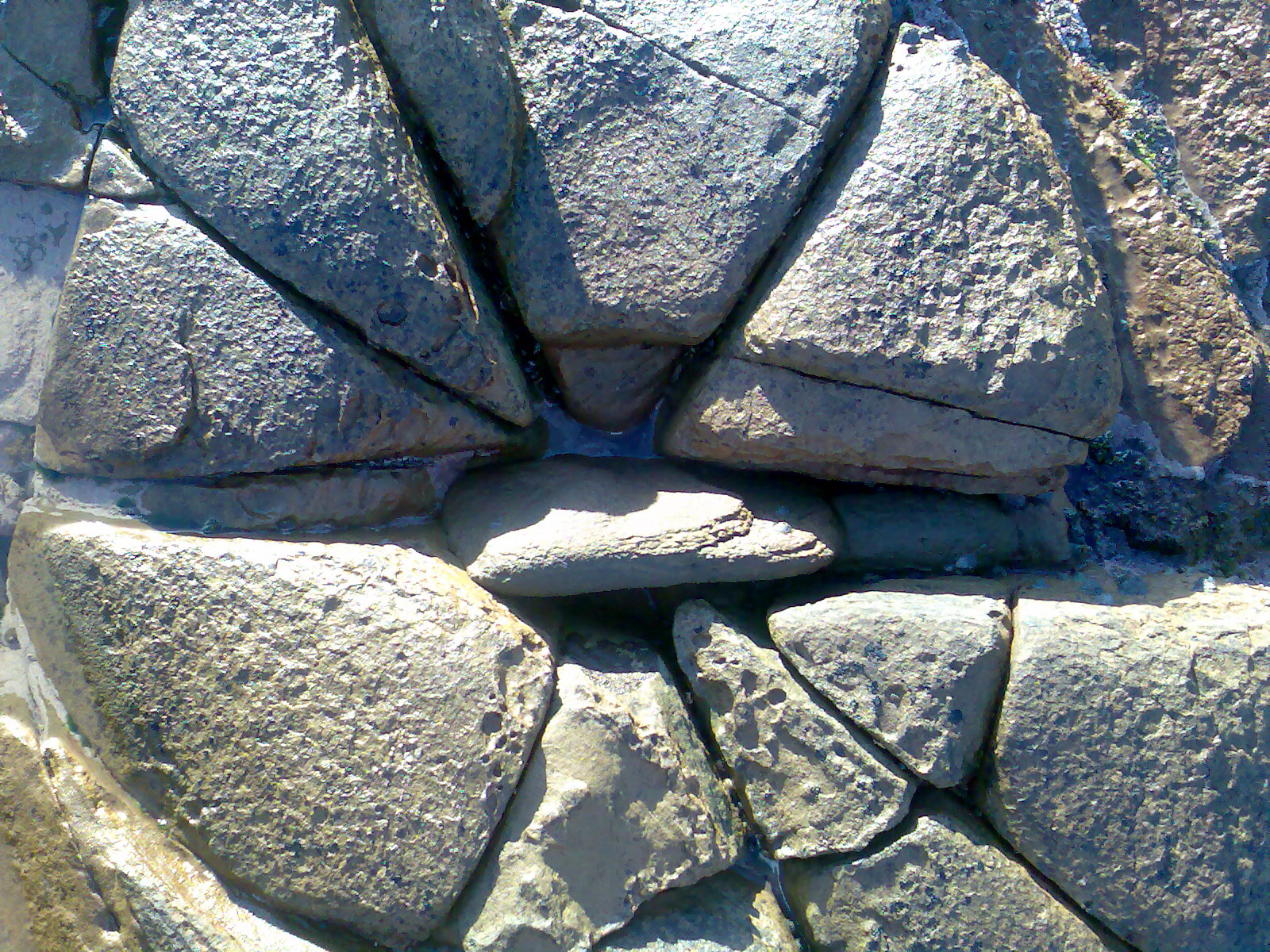
- Fractures
- A fracture is any separation in a geologic formation, such as a joint or a fault that divides the rock into two or more pieces. A fracture will sometimes form a deep fissure or crevice in the rock.
- Geo-Parks
- A geopark is a unified area that advances the protection and use of geological heritage in a sustainable way, and promotes the economic well-being of the people who live there.

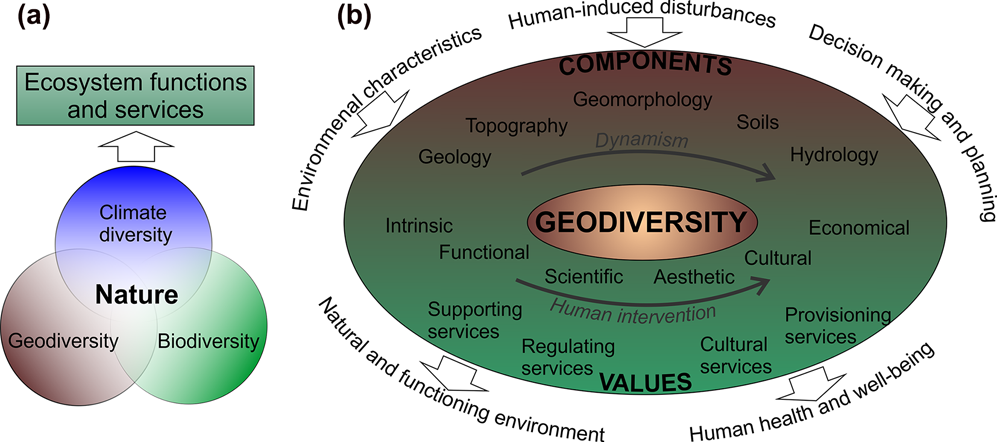
- Geodiversity
- Variety of earth materials, forms and processes which originate unique geological and geomorphological formations.
- Glaciokarst
- Wide surfaces of naked rock on limestone rock grounds where water ice flow has formed huge canyons in high elevations and septentrional latitudes.

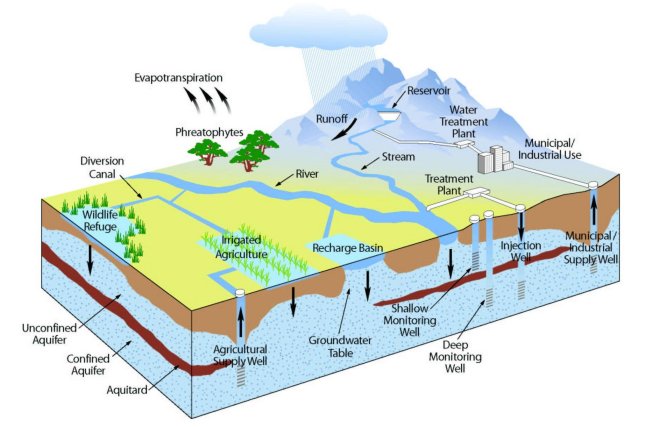
- Groundwater circuit
- Groundwater is the water found underground in the cracks and spaces in soil, sand and rock. It is stored in and moves slowly through geologic formations of soil, sand and rocks called aquifers
- Igneous rocks.
- Igneous or magmatic rocks are originated as a consequence of magma ́s cooling and solidification. Magma rises and when it is cooled (outside or below the surface) it crystallizes and solidifies, originating the igneous roccks.
